
The Goldhawk loft conversion process
A structured approach developed through experience across a wide range of loft conversion projects.
A structured approach to every project
Every loft conversion follows a carefully considered process. From the first conversation through to final completion, each stage is planned to ensure clarity, consistency and attention to detail.
We guide you through each step, helping you understand what’s involved and what to expect at every stage.
Our loft conversion process
We follow a clear, structured process to ensure every loft conversion is carefully planned and delivered efficiently.
01.
Initial consultation
We begin with a detailed discussion about your property, your requirements and the feasibility of a loft conversion. This helps establish what is possible and the most suitable approach for your home.
02.
Survey and design
A measured survey is carried out to understand the existing structure. From this, we develop layouts and design options that make the best use of the available space while working within structural and planning constraints.
03.
Planning and approvals
The build is carried out in a structured and organised way, with careful attention to detail and minimal disruption where possible. Each stage is managed to ensure consistency and quality throughout.
04.
Construction
Where required, we prepare and manage planning applications or ensure the project meets permitted development guidelines. Building regulations and structural requirements are considered at every stage.
05.
Completion and handover
Final finishes are completed, and the space is checked thoroughly before handover. The result is a loft conversion that integrates naturally with the rest of your home.
What to expect during your project
A loft conversion is a significant project, and understanding how it will affect your day-to-day routine is important.
We aim to keep disruption to a minimum by maintaining a clear structure, communicating regularly and ensuring each stage of the build is carefully managed.
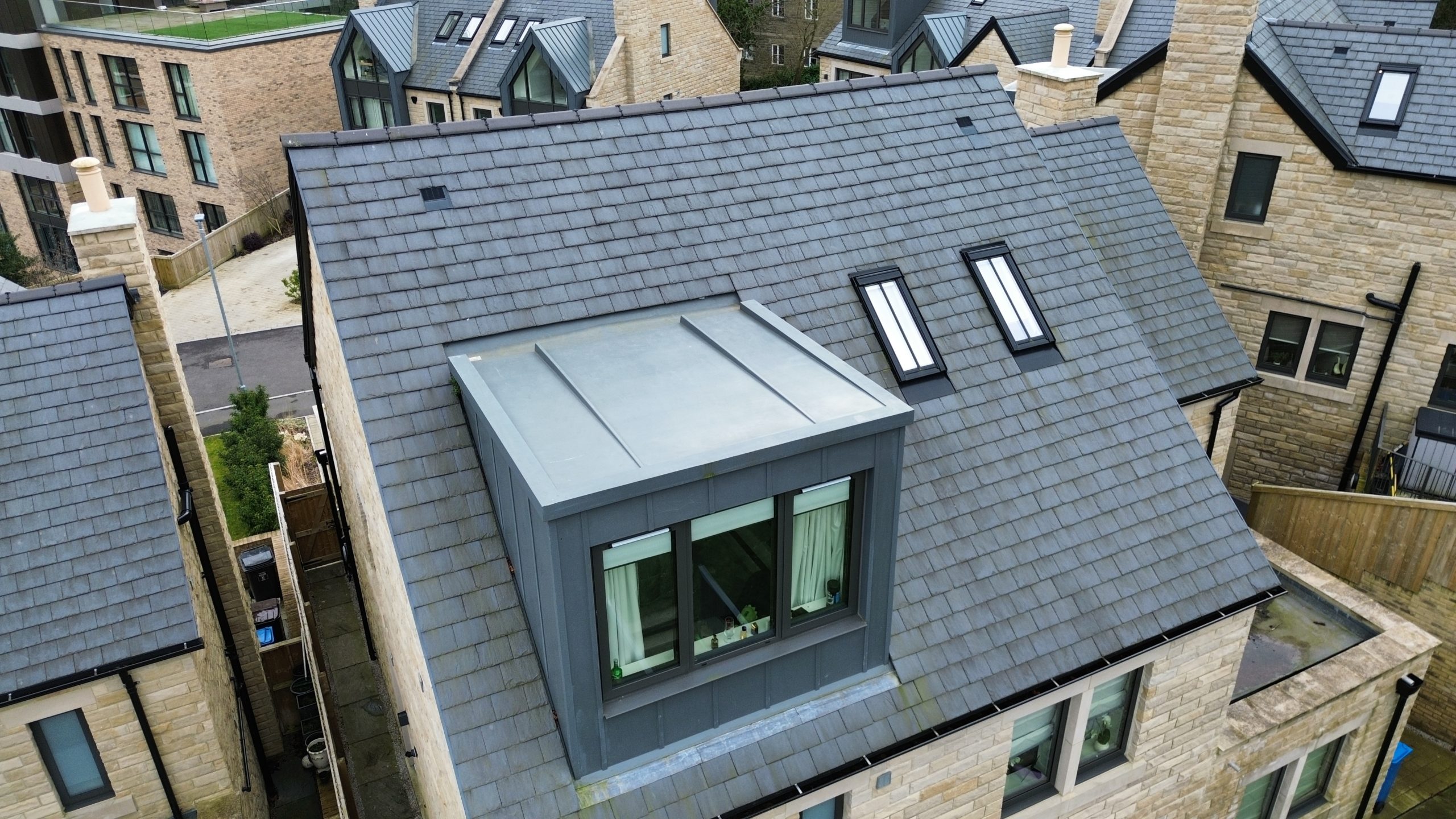
Most of the work is carried out within the roof space, meaning the main areas of your home remain usable for much of the project.
Timescales and planning considerations
The duration of a loft conversion depends on the type of project, the size of the space and any planning requirements.
Many loft conversions fall under permitted development, meaning planning permission is not always required. However, this depends on the property type, roof alterations and location.
We provide clear guidance at an early stage so you understand what is required and how long the process is likely to take.
Why a structured process matters
A well-planned process is essential to a successful loft conversion. By managing each stage carefully and maintaining a consistent approach, we ensure projects are delivered efficiently and to a high standard.
This structured approach provides clarity from the outset and helps ensure the finished space is both practical and well integrated into your home.
Advice and FAQs
Below are some of the questions homeowners ask most often when planning a loft conversion, from planning requirements to timescales and what to expect during the build.
Do dormer loft conversions require planning permission?
Many loft conversions are carried out under permitted development, which means a full planning application is not always required. That said, this depends on the type of property, the scale of the roof alteration and whether the home is in a conservation area or subject to other restrictions. Building regulations approval is still required for a habitable loft conversion, even where planning permission is not.
How long does a loft conversion take?
Timescales vary depending on the type of conversion, the amount of structural work involved and whether planning approval is required. As a guide, the drawings and approvals stage can take a number of weeks, and the construction phase itself is often measured in weeks rather than days, so it is always best to allow for both design time and build time when planning your project.
Can I stay in my home during the build?
In many cases, homeowners can remain in the property for much of the project, particularly in the earlier stages when a large part of the work is carried out through the roof space. The exact level of disruption depends on the scope of the build, the point at which the new staircase is formed, and whether other internal works are taking place at the same time.
What should I do before work starts?
The best starting point is to understand whether your loft is suitable, what type of conversion is most appropriate, and whether planning permission or other approvals may be needed. Early discussions around layout, budget, access and timings help make the process smoother and reduce avoidable delays once the project begins.
Will there be much disruption during the project?
Every project creates some disruption, but a well-structured process helps keep it manageable. Noise, deliveries and certain internal works are to be expected, but clear communication and careful planning make a significant difference to how smoothly the build progresses from one stage to the next.
When is a loft conversion ready to use?
A loft conversion is ready to use once the construction and finishing works are complete and the relevant building regulations requirements have been signed off. This is an important stage, as building regulations approval is required for a loft or attic to be converted into liveable space.
Ready to explore a loft conversion
for your home?
We provide clear guidance and practical advice to help you understand what’s possible for your property.